


















Drugs controversially sold onto the export market by Royal Surrey County Hospital Foundation Trust included cancer drugs now listed as in short supply to the NHS, HSJ can reveal.
From May to October 2009 the foundation trust sold 240 packs of the cancer drug imatinib, which is branded as Glivec. The drug has been in short supply in the UK since at least November - the month the trust now says it stopped selling it.
There is a clear need for an investigation into how this happened, why the truth was withheld and whether any laws have been broken
The drug is used to treat chronic leukaemias, and cancer and patient support groups have reported ongoing difficulties with access to timely supplies.
In February an HSJ investigation revealed the trust had sold £4.6m of pharmaceutical products onto the export market in the 10 months from April 2009 to January 2010.
At the time it claimed it had “at no time” sold drugs which were listed as in short supply.
HSJ has now obtained details of the 33 product lines sold by the trust, showing 13 were cancer drugs and four were HIV drugs.
The trust acknowledged to HSJ this week that there is a shortage of imatinib but claimed that when the drug was added to a list of products in short supply in November, “trading ceased immediately”.
An official list of drugs in shortage was first published by the Pharmaceutical Services Negotiating Committee in November 2009 but pharmacists have reported supply problems since October 2008.
Concerns remain that the trust may have played a part in creating the shortage, by buying drugs under the NHS discount and exporting them.
Liberal Democrat health spokesman Norman Lamb said: “There is a clear need for an investigation into how this happened, why the truth was withheld and whether any laws have been broken.”
The standard NHS price for imatinib listed in the British National Formulary is £1,604 for a 30-day supply. By selling 240 packets, the Royal Surrey is likely to have brought in at least £385,000.
That income is likely to have been bettered only by the income the trust earned on its sale of 1,280 vials of another cancer drug cetuximab (Erbitux), which would have earned £542,000 if sold at the listed price.
The trust also revealed it sold 400 packs of the contraceptive pill desogestrel (Cerazette) and 1,100 packs of the peptic ulcer treatment lansoprazole (Zoton). Both are now on the shortage list but a spokeswoman for the foundation said it stopped selling them by October, “well before” they were listed as in short supply.
FT admits selling low-stock drugs
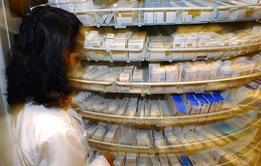
Drugs controversially sold onto the export market by Royal Surrey County Hospital Foundation Trust included cancer drugs now listed as in short supply to the NHS, HSJ can reveal.
 Currently
reading
Currently
reading
FT admits selling low-stock drugs
- 2






4 Readers' comments