
- Councils in South West STP face £106m deficit due to lost income
- Government relief fund “isn’t enough”, local health chief warns
- Vulnerable could be hit hardest as councils consider cutting BCF contributions
A £106m deficit across the councils in a South West health system presents a “real danger” to the next phase of its covid-19 response, a local health chief has told HSJ.
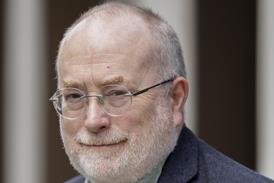
Bath and North East Somerset, Swindon and Wiltshire Clinical Commissioning Group chief executive Tracey Cox said the large combined deficit took into account the emergency government covid-19 relief funding for councils but did not include any share of the additional £500m announced by ministers last week.
Ms Cox told HSJ: “Ministers have been referencing allocations that have been already been given to local authorities, but it is simply not enough to offset the costs and deficits they have incurred. It represents a real danger around health and care provision in the next phase of our covid response.”
The lack of tourism to Bath during lockdown has had a major impact on Bath and North East Somerset Council’s budget, which is now facing a deficit of £41m.
Meanwhile, Wiltshire Council, which is also part of Bath and North East Somerset, Swindon and Wiltshire Sustainability and Transformation Partnership was one of five councils which has said it is at risk of bankruptcy if it does not receive more government support.
Mrs Cox said vulnerable people, including the elderly, those with learning disabilities and mental illnesses, were likely to be hit the hardest, because social care takes up the largest proportion of council funding.
She added: “Given the amount of [council] budget spent on adult and children’s services, for our three [councils] it ranges from 64 per cent to 77 per cent of their total budget. If they are going to have to make reductions in service provision to offset their deficit then it will inevitably have an impact on children’s and adult services.
“There’s no way that’s avoidable. If you think about the very nature of what our [council] partners do, they are focused on the most vulnerable individuals, whether it be the frail elderly, children, people with learning disabilities and mental health needs.
“My personal concern is that the big drive that we are discussing to improve health inequalities is going to be further thwarted and offset by [councils] having to reduce service provision.”
In the South West Mrs Cox said councils may have to reduce their contribution to the Better Care Fund – a pooled pot of cash for councils and the NHS to plan and fund more integrated community services, which are usually targeted at the most vulnerable in society.
This will pose a “big risk” to the health system over the winter period, Ms Cox added.
She said: “Many [councils] may have to review their minimum contribution to the Better Care Fund arrangements in their area and so obviously that reduces the flexibility available to the system to support discharges and to invest in community-based services. This could be a big risk to systems over the winter period.”
Across the country, local authorities are facing major funding gaps due to a loss of income caused by the pandemic. Five councils, Leeds, Wiltshire, Trafford, Tameside and Barnet have all warned they may have to declare bankruptcy if they do not get more support, according to a BBC investigation.
A government spokesperson said: “The government has delivered an unprecedented package of support to councils over recent months, including £3.2bn to address pressures on local services caused by the pandemic.
“We will continue to work closely with councils as they support their communities through the pandemic.”
Source
Interview with HSJ
Source Date
July 2020


3 Readers' comments