
- Julian Kelly issues warning over inflation and unfunded pay deals
- Warns service could have to find £20bn in savings by 2024-25
- Would require looking at “what the NHS could deliver”
Increases in inflation will force the NHS to drastically scale back services unless the government provides extra funding, NHS England’s chief financial officer warned today.
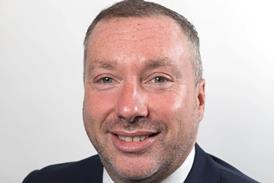
Julian Kelly said the NHS in England could have to find £20bn in efficiency savings over the next three years because of the increased cost of the goods and services it purchases.
The warning comes after the NHS had to raid central budgets twice this year to plug inflation costs at a local level and then to cover the costs of this year’s pay award, which government only partially funded.
Mr Kelly told the organisation’s board the scale of savings required meant “you’re clearly not talking about further efficiencies”.
“If we had to manage it within the nominal budget that we have, clearly you have to completely revisit investment in cancer, mental health, primary care, diagnostic capacity, and you would have to look at what it meant in total, or what the NHS could deliver,” he said.
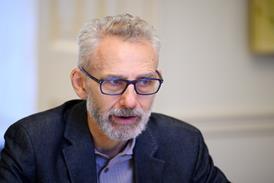
NHSE chair Richard Meddings said the savings required could add up to 10 per cent of the NHS’s cost base and warned this would mean “making presentations to the government about various options [about services] for their consideration”.
The NHS had already committed to around £12bn in efficiency savings over the next three years but this could rise to £20bn from a combination of unfunded pay awards and ongoing inflation by 2024-25, when the overall NHSE budget is set to be £160bn. The Treasury said last week it will not be reviewing the three-year public spending settlement, which was drawn up when inflation was around 4 per cent and assumes pay rises of no more than two per cent over the next three years.
Analysis by HSJ this week revealed two in three integrated care systems are behind their financial plans and facing deficits.
Mr Kelly described the financial outlook in the current year as “very tight” and revealed an ambitious £5.6bn savings programme was £200m behind schedule, though he insisted ICSs would still break even. He admitted staff absence was “materially higher than we had asked people to plan for” and that was “driving much higher temporary staffing costs”.
ICSs will face “significant” savings targets of 2.9 per cent (£3.6bn) in 2023/24 and 2.2 per cent (£2.8bn) in 2024/25, before any additional pressures caused by inflation, a paper published after the meeting said. It admitted these requirements were higher than the average 1 per cent annual savings rate delivered historically by the NHS, but said this was needed to recover “lost productivity” due to covid.
NHSE chief executive Amanda Pritchard said the health service had been right to “strive to drive as much efficiency and productivity as we possibly could” when the spending plans were drawn up. But she added: “We don’t know additional challenges, particularly from inflation, which along with everything else that we are now looking at is the reason why this feels quite different to where it did”.
During the meeting, the Department of Health and Social Care was also criticised for reducing the budget for vaccination marketing materials. NHSE vaccine lead Steve Russell said uptake rates among Pakistani and Bangladeshi communities were around 40 per cent lower than white British groups.
He said:“Last year, there was a very significant degree of resource available for marketing… that challenge is exacerbated this year with a much lower budget for those activities, which was a decision made outside of NHS England, but one that we have to work within”.
Updated 12:11pm on 7th October to reflect new information on local savings targets included in a board paper published after the meeting.
Source
NHSE board meeting
Source Date
October 2022


18 Readers' comments