
• Greater Manchester has outlined “systematic reduction in our dependency on the independent sector”
  • Private providers say this makes “no sense” as they have consistently delivered stronger performance
  • System has second largest elective backlog in England on per capita basis

Private providers have criticised leaders in Greater Manchester for their plan to slash the use of independent sector capacity, saying it makes “no sense”.

Greater Manchester Integrated Care System, which includes trusts and commissioners, recently outlined urgent measures to cut costs in 2024-25, including a “systematic reduction in our dependency on the independent sector”.

The system has the second largest elective backlog in England on a per capita basis, while also having one of the largest numbers of cases already waiting more than a year, relative to its size.

It has relied heavily on private capacity over the last year, from providers such as Spamedica, Ramsay, and Circle Health.

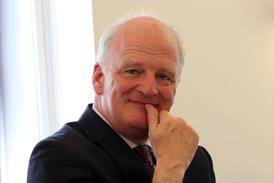
David Hare

David Hare

Independent Healthcare Providers Network chief executive David Hare told HSJ: “Given the huge numbers of patients waiting for treatment in Greater Manchester, as elsewhere across the country, it makes no sense to cut the use of independent providers who are the only part of the system where elective activity levels are consistently above pre-pandemic levels.

“Independent providers are paid at the same price as publicly-owned providers for any activity delivered so excluding the independent sector makes little sense on an operational or financial level and will make it significantly harder to cut the region’s already substantial backlog.

“We are also concerned that when systems look to reduce independent sector activity this is often done by restricting patient choice rights – which is not the right thing to do, nor in line with the NHS constitution commitments to patients or national NHS and government policy.”

Greater Manchester is under intense pressure to improve its financial performance. Its initial financial plan for 2024-25, which suggested a combined provider and commissioner deficit of around £300m, was deemed “completely unacceptable” by NHS England, according to recent board papers.

Over the last few years, the integrated care board has looked to support elective care recovery by holding central contracts with IS providers and some activity being automatically sent to them. But the approach has changed this year, with the funding instead distributed to NHS trusts, which can then choose whether to outsource activity to private providers.

HSJ is aware of concerns that, under the previous system, private providers were being sent activity which could be completed at lower costs than the relevant tariff prices, thereby being able to make a profit.

This was particularly the case in specialties such as ophthalmology, which tend to have higher volumes of low-complexity cases. Moving this activity to trusts could benefit the ICS’s financial performance as those profits would stay within the NHS.

Following a new national clampdown on moves that could limit patient choice, the system will need to ensure it is meeting its obligations to offer a choice of providers on referral.

The system is also seeking to reduce its spending on private mental health providers, many of which are based in other parts of the country and classed as “out of area”.

A Greater Manchester spokeswoman said: “Given our financial position, it is appropriate that we should look at all areas of expenditure and seek opportunities to reduce costs including expensive out-of-area care.

“Our use of the independent sector is no exception to this. We continue to focus on reducing our waiting lists and offering patient choice, with our partnerships with the independent sector remaining an important part of our strategy to facilitate this.”