















Youth worker model cuts mental health incidents by 69 per cent
Entrant: Gloucestershire Hospitals FT
Category: Patient Safety Awards 2026/Paediatrics and CYP Safety Initiative of the Year
Award: Shortlisted
Patient safety programme doubles knowledge score across tenth cohort
Entrant: Gloucestershire Hospitals FT
Category: Patient Safety Awards 2026/Patient Safety Education and Training Award
Award: Shortlisted
Hot debriefs after inpatient cardiac arrests rise to 72.7 per cent
Entrant: Gloucestershire Hospitals Foundation Trust
Category: Patient Safety Awards 2026/Early-Stage Patient Safety Innovation of the Year
Award: Shortlisted

Exclusive: Hundreds sacked for snooping on patient records
More than 200 NHS staff have been sacked and around 2,000 others sanctioned for inappropriately viewing patient records over the past five years, HSJ can reveal.

League tables ‘obscuring’ trust performance
Government’s trust league tables are “actively obscuring” patients’ understanding of their local services and should be scrapped, a think tank has recommended.
Patient Safety Watch: Fears mount over corridor care, HSSIB reform and ‘never events’
HSJ hosts the Patient Safety Watch newsletter, written by Patient Safety Watch chair Jeremy Hunt
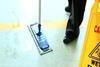
Trust fined £320k over hospital infection death
The Care Quality Commission has imposed a £324,143 fine on a trust where a chemotherapy patient contracted a serious infection from bacteria in a ward’s en-suite bathroom and later died.

Record number of acutes now judged ‘significantly off-track’ by NHSE
36 acute trusts are now ranked in the fourth and lowest segment of NHS England’s performance league table, the highest total yet recorded.

‘Shocking decline’ in cancer waits at laggard trusts
Nearly half of all trusts recorded a drop in their 62-day cancer performance over the past year, official data shows, as system leaders gear up to publish new national strategy.

Maternity review trusts delivered ‘better care than expected’, CQC finds
Only two of the 12 trusts involved in the government’s national investigation into maternity services delivered care that was “worse than expected”, according to a Care Quality Commission survey.

‘Collaboration’ explains sharp performance boost, say trusts
The worst performing ambulance trust of the post-covid period has seen substantial improvement over the past 12 months, which it attributes to “collaboration” with local providers and integrated care boards.
Patient Safety Watch: Maternity services need change now, not in 2030
HSJ hosts the Patient Safety Watch newsletter, written by Patient Safety Watch chief executive James Titcombe

Fourteen maternity investigation trusts named
Fourteen trusts are to be subject to a government-commissioned investigation into maternity service quality, it was announced today.
Patient Safety Watch: Will league tables lead to hitting the target but missing the point?
HSJ hosts the Patient Safety Watch newsletter, written by Patient Safety Watch chair Jeremy Hunt
Review finds nine infant deaths at trust ‘potentially avoidable’
A trust has apologised after an external review into maternity failures concluded that nine neonatal deaths may have been avoidable.

Exclusive: The best and worst hospitals for A&E performance
Performance against the headline A&E waiting time target got worse at 69 hospitals last year amid NHS England warnings of persisting regional variation, unpublished stats have revealed.

Trusts penalised for exaggerating safety standards
Dozens of trusts have been hit with financial penalties after regulators questioned their claims to be compliant with maternity safety standards.
CQC report on ‘fire risk’ A&E delayed by 13 months
A trust has been waiting more than a year for a Care Quality Commission report into its emergency department where inspectors found fire safety risks.
Patient Safety Watch: Falling through the gaps
HSJ hosts the Patient Safety Watch newsletter, written by Patient Safety Watch chief executive James Titcombe.

Baby death inquiry delayed by leadership confusion
Investigations into serious maternity safety concerns have been delayed by at least six months because national agencies could not decide who should lead the work, HSJ has learned.