• Friarage birth centre, run by South Tees Hospitals FT, suspended 12 times between April and June
  • Trust says staff shortages and high acuity across maternity service to blame for closures
  • Service was rated “requires improvement” by CQC in January 2024 and moved into Maternity Safety Support Programme in April this year

A maternity service was forced to close one of its units on 12 separate occasions in the space of just three months due to a shortage of midwives.

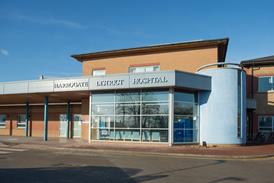
Services at the Friarage birth centre, run by South Tees Hospitals Foundation Trust, were suspended 12 times between April and June, it has emerged.

Eight of the suspensions were due to staffing shortages “and high acuity” at the James Cook University Hospital, the trust’s main site.

The remaining four were due to shortages at the birth centre itself, a midwifery-led unit for low-risk pregnancies, which does not have paediatricians or obstetricians, or offer epidurals.

The Friarage is in Northallerton, a 30-minute drive from the James Cook in Middlesbrough.

During the three months, there were only 32 births at the Friarage, from 236 bookings, while at the James Cook there were 1,125 births from 874 bookings – likely due to unplanned transfers from the former to the latter.

Many similar midwifery-led units were suspended during the covid pandemic, and some have not reopened.

The trust’s board papers also reveal that in April, a diagnostic report on maternity culture at South Tees prompted a rapid quality review, leading to the service’s formal inclusion in NHS England’s Maternity Safety Support Programme, which is designed to help services with safety concerns.

A spokesperson for the trust said it was working to ensure it had enough staff to run the service effectively.

Updated on 13/11/2025 to include trust comment

In January last year, maternity services at the Friarage were rated “requires improvement” by the Care Quality Commission, which said the services did not always have enough midwifery staff or they were “frequently redeployed” to James Cook.

Inspectors said that while staff had training in key skills and managed safety well, leaders did not operate effective governance systems, did not consistently monitor the effectiveness of the service, and did not always manage risk well.

They also noted that the unit was “frequently closed for births, which made it difficult for staff to promote the service” and to plan births there.

There were also areas of concern at James Cook, where there was no birthing pool in the delivery suite or on the midwifery-led unit.

Staff had been using a standard bath instead of a birthing pool, which was unsafe and was putting people at risk due to the design of the room and the bath. Once this was highlighted to the trust, it stopped immediately, the CQC said.