




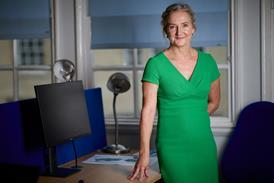








It was as late as the 1980s before “prevention” stopped being a dirty word at the British Heart Foundation. Importantly, however, times have changed, as the foundation’s health information manager Isobel Booth explains.

When Professor Desmond Julian became medical director of the British Heart Foundation in 1987, he recalls that the P-word still wasn’t allowed in the charity’s press releases.

How times have changed. Today – 50 years after the charity began – our catalogue of resources to help people prevent and manage heart conditions runs to 56 pages and includes over 600 materials, some in several languages. They’re accompanied by 130 website pages on heart health linked to a growing number of videos and online tools.

Our most popular publication, on weight management, flies out of the door with 323,000 copies ordered in the last year. Our web page on high cholesterol gets 40-50,000 page views a month. NHS services and other health promoters give out thousands of our booklets every week, and three of our resources were highly commended at this month’s BMA Patient Information Awards.

So we’re getting something right, but are we getting it right for everyone? We commissioned research to get some answers.

Health promotion research was trawled and experts quizzed. And then we asked the real experts: over 3,000 adults from across the UK, via an online questionnaire, a high street survey and focus groups.

A couple of findings stood out.

First, choice is key because people learn in different ways. But 10 different versions of the same booklet just isn’t feasible. One solution is to develop resources that help people get the basics quickly, with on and offline options for those who need more detail or want to hear others’ experiences – the “press the red button” approach to information.

Another way is to tool-up healthcare professionals, who our participants said they trust the most. Evidence suggests that the impact of a resource could be improved if professionals explained how it could help the patient in front of them. We could develop 30 second scripts for that purpose, but is this approach a realistic expectation of a professional under pressure?  

Second, in our focus groups, we asked people what information might’ve helped them prevent the problems that led to their heart attacks. Time and again, respondents said they wouldn’t have taken any notice however the information was presented. “I didn’t think it would ever happen to me” they said.

This emphasises the importance of health information in non-health contexts. For example, health storylines in soap operas and social marketing campaigns, which penetrate people’s homes and day to day lives.

We know that health information alone can’t turn someone’s health around. Skilled professionals, a supportive family, health-enabling culture and individual circumstances all count. But accurate, appropriate and accessible information plays a vital role, and we’ll be innovating in our resources programme to make sure as many people as possible can count on us.