







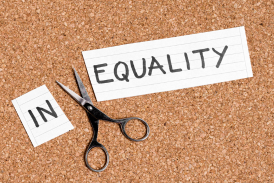








Author David Finch highlights the relationship between the increasing costs of living and deteriorating public health in the UK – and the action that the government could take.
For the second time in two years, the UK is in the midst of an economic and health crisis. The rising cost of living risks many being unable to afford essentials to maintain their health, as well as bringing increased stress and anxiety as families try to make ends meet.
The government has announced welcome action to cap the unit price of energy – which has been estimated to have a potential cost in the first year equivalent to the furlough scheme and self-employment support during the pandemic. Yet despite this magnitude of spend, many families are still expected to have a tough time in the coming months.
This large scale action, coupled with previous support announced, will help to offset the majority of coming energy price rises. But that won’t be the case for all families and won’t cover increases in prices of other essentials – food costs rose by 13 per cent in August 2022. By June 2022 one-in-six households were already in serious financial difficulty with consequences for their health. The Health Foundation’s latest polling found that 57 per cent of people think rising living costs are a high or very high threat to the health of UK citizens, while 72 per cent believe overall health and wellbeing has declined in the past 12 months.
With family incomes set to be squeezed with still high predicted inflation into next year and energy consumption set to rise between now and March, there is a difficult winter ahead.
The World Health Organisation’s estimates suggest that around a third of the higher number of deaths that occur in the winter compared to summer are due to cold homes
Lower income families are most at risk because they have less money to spend in the first place and increases in costs from energy, food and fuel represent a greater share of those existing levels of spend. The poorest fifth of families spend almost two-fifths (37 per cent) of their income on essentials (food, housing, fuel and power).
They are also more at risk of poor health - nearly half (48 per cent) of the poorest 40 per cent of families in the UK contain at least one person with poor health.
There are several ways that the rising cost of living can affect people’s health. Being unable to afford sufficient food leaves people malnourished. Being unable to keep a home warm leaves people at risk of developing respiratory diseases and for the most vulnerable, death.
The World Health Organisation’s estimates suggest that around a third of the higher number of deaths that occur in the winter compared to summer are due to cold homes. In a particularly cold winter or where energy prices are unaffordable, there is a significant risk that this will be higher. Increased poor health may also place greater strain on health services, which are already experiencing severe pressures that are set to get even worse over winter.
Alongside this, constantly worrying about having enough money to pay bills or buy food can also lead to stress, anxiety and depression. This impacts people’s health both in the short and long term, where stresses can contribute to the build-up of psychosocial problems over time. In turn this puts a strain on people’s bodies, resulting in increased stress, high blood pressure and weakened immune system.
Higher costs also increase the risk of more people falling into problem debt, particularly for lower income families where rising costs mean that debt repayments will represent a greater proportion of the money people have to spend after essentials are covered. People in problem debt are nearly three times as likely to have “bad” or “very bad” health.
Beyond the energy price cap there is still likely to be a significant role for the government to alleviate hardship through the coming months. They will need to carefully monitor the wider effects of the cost-of-living crisis and target additional support to prevent people falling into hardship and poor health.
Over the medium term, guaranteeing that benefit rates are increased in line with current inflation from April will help provide a lasting boost to lower income families. More could also be done to use the time gained by introducing the emergency measure of the price cap, to develop mechanisms with energy companies that can deliver more targeted support such as a social tariff.


No comments yet