











Medical directors from England’s 10 biggest teaching hospitals have written to their counterparts at NHS England and Monitor to warn that controversial new tariff plans will damage patient care and lengthen waiting times.

The letter, from the most senior clinicians at the Shelford Group trusts, said the imposition of a 50 per cent cap on specialist work above 2014-15 levels could see patients “excluded from optimal or timely treatment”, HSJ can reveal.

The 10 trusts provide much of the country’s most advanced treatment for specialised conditions and are in many cases internationally renowned.

The document, seen by HSJ, was sent on Christmas Eve, the deadline for organisations to respond to a Monitor consultation on the 2015-16 tariff plans. The NHS Trust Development Authority also received it.

Busy hospital

Senior clinicians warn that a 50 per cent cap on specialist work could exclude patients from ‘optimal or timely treatment’

The tariff is the joint responsibility of NHS England and Monitor, but the consultation process was run by Monitor. NHS England is also responsible for commissioning specialised services.

Monitor is currently working out whether the formal objections from the provider sector have hit the 51 per cent threshold that would force a reconsultation on different proposals, a referral to the Competition and Markets Authority, or both.

The economic regulator expects to make a formal decision on what to do at its board meeting next week but HSJ understands the trigger amount has been reached.

The letter says the “consultation document rightly notes that service redesign takes several years”.

It continues: “We have all been involved in significant service reconfigurations to achieve critical mass, consistency of quality, and economies of scale, and all recognise the time and effort needed.

“The proposed marginal tariff is proposed to be implemented immediately in 2015-16. We do not believe that the benefits of redesign can be achieved at this scale and speed, and well worn short term measures such as excluding patients from optimal or timely treatment or spreading the financial impact over the quality of all patient care seem more likely consequences of the tariff changes.

“Our view is that none of these approaches are in patients’ interests.”

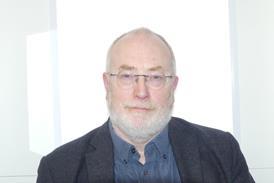
The letter, drafted by Gill Gaskin, one of University College London Hospital Foundation Trust’s medical directors, argues that providers of specialist care recognised to be of good quality have seen a progressive increase in market share in recent years. It notes that the patient choice driving this will be strengthened by contract proposals for 2015-16, while organisations will face increased penalties for excessive waits.

It adds: “Temporary measures are likely be instituted, at higher cost and lower quality – for example recruitment of temporary staff, use of temporary wards and out of hours ‘waiting list initiatives’. Even then, capacity is likely to be inadequate, precipitating growth in waiting lists; organisations such as ours will attract punitive penalties.

“We expect that this will ultimately disincentivise high performing specialist services from reaching out to a wider patient group. We also expect that it will deter boards from supporting clinically appropriate centralisation of specialised services, out of fear of the ‘halo’ effect of choice driven additional activity which is only remunerated at half of its true cost. Ultimately, patient choice may actually be diminished and the system capacity further squeezed.”

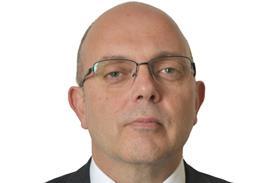
The letter, addressed to NHS England medical director Sir Bruce Keogh and Monitor medical director Hugo Mascie-Taylor, says: “We hope you, as clinicians yourselves, will understand.”

Monitor is expected to make an announcement on the tariff consultation at its board meeting next week.

NHS England was asked for a comment on the Shelford Group letter two days ago but has not responded.

On Friday a spokeswoman provided the following statement: “We will listen carefully to all consultation responses on these proposals, while recognising specialised services have benefited from income increases, there is also a strong case for investment in ambulance services, mental health services, primary care and A&Es.”

Downloads