
















Top 10
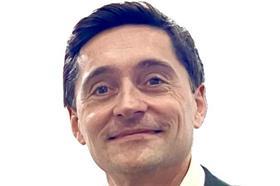
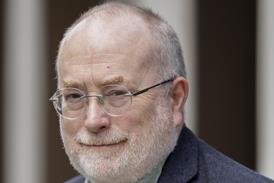
1. Lawrence Tallon, CEO, Medicines and Healthcare products Regulatory Agency
Mr Tallon is leading the MHRA into a new and challenging era. The regulator had fallen behind on overseeing artificial intelligence and other technology, and the former Guy’s and St Thomas’ Foundation Trust deputy chief executive is credited with re-energising it. But the MHRA will need more resources to regulate the new world of ambient voice scribes, mental health chatbots, and autonomous diagnostic technology, to name but a few.
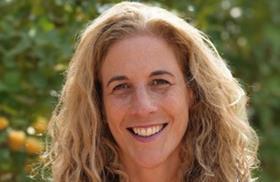
2. Sam Jones, permanent secretary, Department of Health and Social Care
Veteran manager Sam Jones will soon command a clearer line of accountability when NHS England is abolished. However, how much of her programme and authority survives the change in health secretary, and potentially prime minister, remains to be seen.

3. Alex Crossley, director of transformation strategy, finance, & delivery, NHS England
A very influential figure who many judges argued should be at the top of this list. He is behind many of the centre’s key programmes and is considered a high-flyer.
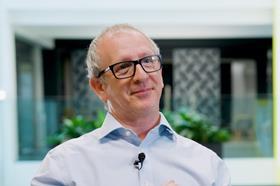
4. Rob Thompson, chief digital data and technology officer, DHSC and NHSE
Mr Thompson has inherited a big job, but also a significant budget and new legislative tools. How effective he can be will depend heavily on the department’s new ministerial team. Overall, the NHS has a bigger tech budget than before and tools to compel suppliers into greater interoperability. Will we see them used during Mr Thompson’s tenure?
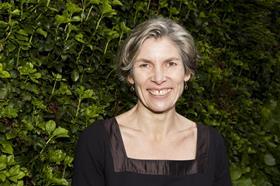
5. Penny Dash, chair, NHSE
Ms Dash has been one of the driving forces in putting technology at the centre of the left shift. She has led the focus on data, analysis, and AI. However, the former McKinsey consultant’s role is not clear once NHSE is abolished next year.
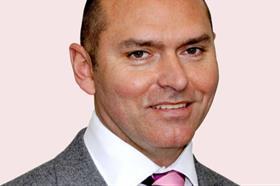
6. Jim Mackey, CEO, NHSE
Wes Streeting’s “knight in shining armour”, the NHSE CEO, is a tech-sceptic and has delayed multiple electronic patient record installations, saying the service does not manage them well. Sir Jim’s influence on tech is in inverse proportion to his interest in it.
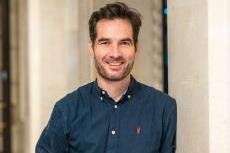
7. Alastair Denniston, chair, National Commission on the Regulation of AI in Healthcare
Professor Denniston leads the government’s commission on AI in healthcare. With recommendations expected soon, his thinking on the use, ethics, and economics of deploying AI will likely be profoundly influential.

8. Jonathan Benger, CEO, National Institute for Health and Care Excellence
The NICE CEO will be making decisions on what new health technology gets NHS funding. The organisation has been made to work more closely with the MHRA to speed up adoption.
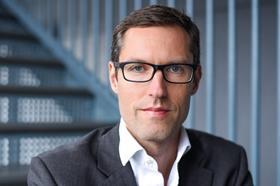
9. Axel Heitmueller, head of the Prime Minister’s Delivery Unit and expert adviser on delivery
A key adviser to Keir Starmer, Mr Heitmueller’s long history in health policy would make him influential no matter what – although the power he wields over the next 18 months obviously depends heavily on who occupies Number 10.
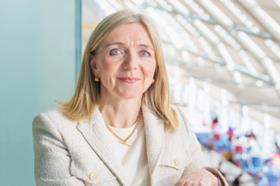
10. Melanie Ivarsson, CEO, Health Data Research Service
The new head of the HDRS has a £600m budget with which to turn health data into medical breakthroughs. Policy figures expect former pharmaceutical boss Dr Ivarsson to supercharge the current set-up, which has not always moved as fast as ministers would like.
The remaining 40
A - F
Mark Bailie, chair of NHSE’s Digital, Data and Technology Committee, and CEO, Compare the Market
Mr Bailie has been very influential in NHS tech. Earlier this year, he issued the widest-ranging critique of Mr Streeting’s record on tech, refusing to sign off on extra spending on neighbourhood health without clearer leadership and accountability.
Ayub Bhayat, director of data & analytics, NHSE
Mr Bhayat has been increasingly influential on the Federated Data Platform, single patient record, and more since the departure of Ming Tang.
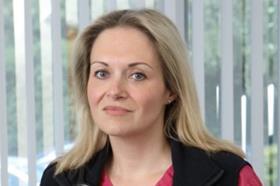
Katie Bramall, chair, British Medical Association’s GP committee
Dr Bramal has a key role in setting the terms of the battle over data-sharing and the SPR in the NHS.
Jonny Brown
While not the NHS Online virtual hospital’s senior responsible officer, Mr Brown was nonetheless credited with driving the programme. It is set to be one of the government’s tech showpieces and a key test of how well it can deliver tricky projects.

Nicola Byrne, national data guardian
Dr Byrne occupies a crucial position in the forthcoming rows about who gets to do what with the public’s most sensitive information.
Dom Cushnan, deputy director of AI, DHSC, and NHSE
The closest the NHS has to an AI tsar, Dr Cushnan’s team are everywhere on policy, including the increasingly pressing issue of tech sovereignty.
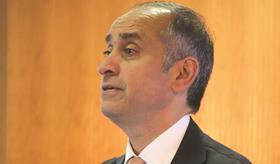
Ara Darzi, co-director at Imperial’s Institute of Global Health Innovation
The author of 2024’s highly influential review of the NHS, his critique of the NHS’s use of tech set the direction for the following two years and likely beyond.
Paul Dinkin, director general, strategy and healthcare policy, DHSC and NHSE
Another McKinsey alumnus, Mr Dinkin, is responsible for operationalising the Jones and Dash agenda.
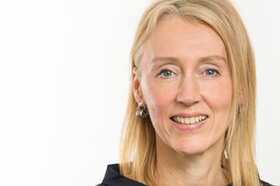
Jennifer Dixon, CEO, The Health Foundation
The Health Foundation has been at the heart of lots of the policy and implementation work on AI in health, and Ms Dixon is influential in these areas.
James Freed, deputy director, NHS Digital Academy
Mr Freed oversees the training and standards for a profession that is getting increasingly professionalised. The NHS Workforce Plan is set to make big changes to the status and remuneration of CDIOs/CIOs/CTOs.
Amy Freeman, chief digital information officer, University Hospitals of North Midlands Trust
Ms Freeman is an important voice among trust CIOs and has given evidence in front of a Parliamentary committee.
G - O
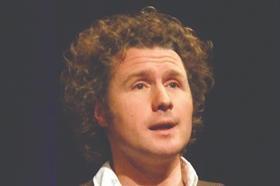
Ben Goldacre, doctor, author, and broadcaster
Not just a well-known media commentator and GP, Dr Goldacre is also a director of the Bennett Institute for Applied Data Science, which is an important example of what a publicly-funded research body can achieve with proper access to data.
Hayley Grafton, group chief nursing information officer, University Hospitals of Leicester Trust and University Hospitals of Northamptonshire Group
Ms Grafton is one of the driving forces at England’s most digitally dynamic trust. The only CNIO on the list, she is highly influential at a time when trusts are being charged with organically improving their digital capability.
Nadine Hachach-Haram, director of clinical innovation and strategic partnerships, Guy’s and St Thomas’ Foundation Trust
In addition to her work at GSTT (where she is also a surgeon), Dr Hachach-Haram is managing partner at Meridian Health Ventures and founder of Proximie, making her a leading light among the UK’s medical entrepreneurs.
Phil Huggins, national chief information security officer for health and care
The civil servant has been at the helm as the NHS suffered a series of large-scale cyber attacks, one of them leading to a death. He now oversees a service that is belatedly trying to patch the many cyber vulnerabilities in its systems and supply chain.
Jacob Haddad, CEO, Accurx
The well-connected Mr Haddad is entrenched in the primary care ecosystem at a time when the digital underpinning of neighbourhood health is getting more attention and money. That said, NHSE’s centralising tendencies on some technologies could pose a challenge for his business.
Phil Jordan, non-executive director, DHSC
Mr Jordan is DHSC’s NED with the biggest influence on tech.
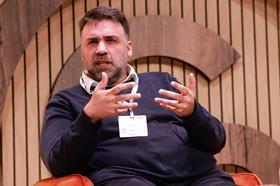
Tom Kibasi
NHSE’s former executive director of strategy had previously been Institute for Public Policy Research director and was one of the authors of the 10-Year Health Plan. With a background at McKinsey, he was seconded to Downing Street last year to work with Mr Starmer’s then chief of staff, Morgan McSweeney.
Dom King, vice president of health, Microsoft AI
Dr King has a long track record in UK healthtech, with strong connections to Imperial College London and a stint at DeepMind.
Maxine Mackintosh, founder and co-director, Onehealth Tech
The ex-Turing Institute and Genomics England leader is one of the most powerful voices on building equity into new technology’s deployment.
Emma McLachlan, director of digital transformation, product and customer experience, NHSE
The ever-changing brief for the NHS App means Ms McLachlan exerts a lot of influence.

Helen Milner, founder and CEO, Good Things Foundation
Ms Milner is an influential voice on digital exclusion and equity.
Will Monaghan, group chief information officer, University Hospitals of Leicester Trust and University Hospitals of Northamptonshire Group
Mr Monaghan is arguably England’s most prominent trust tech leader. Few others have matched his group’s ambition and scale, with its policies on issues like ambient voice, presumption-of-automation, and the FDP often setting the tone for the rest of the service.
Jess Morley, research fellow, Yale University’s Digital Ethics Centre
A former NHSX expert, Dr Morley is arguably the single most influential voice on ethics and AI policy.
Louis Mosley, CEO, Palantir UK
Mr Mosley faces a busy nine months in the run-up to the break clause in the government’s contract with Palantir. Will his firm end up running the SPR and the plumbing along which nearly all patient data flows?
P - Z
Dom Pimenta, founder and CEO, Tortus
Dr Pimenta’s firm is the UK’s only scale player in ambient voice technology.
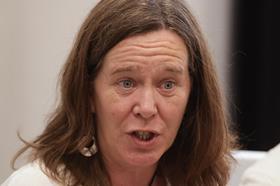
Rachel Power, CEO, The Patients Association
Ms Power’s organisation is one of several that is very influential in bringing the patient voice into digital and data strategy.
Alec Price-Forbes, chief clinical information officer, NHSE
Dr Price-Forbes may not have been able to clear up the “wild west” in ambient voice – a job too big for any one person – but he did name the problem and start taking action on it. A respected and grounded voice on getting technology right for the frontline.
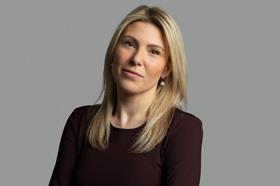
Charlotte Refsum, director of health policy, Tony Blair Institute
The revelation that the TBI is heavily funded by Oracle damaged its credibility somewhat, but Dr Refsum is still an influential voice on the NHS App, data security, and other issues.
Lee Rickles, CIO, Humber Teaching FT
Mr Rickles is a highly influential trust CIO as well as the architect of the NHS-built Interweave data platform.
Dermot Ryan, director of digital transformation, NHSE’s Transformation Directorate
Mr Ryan led the Frontline Digitisation Programme, spending £1.9bn on EPR systems for trusts. Now he’s in charge of the Frontline Productivity Programme to try and extract that investment’s full value. With a £2.5bn budget over the rest of this Parliament, his team assess the bids from regions on everything from ambient voice to cyber security.
Jamie Saunders, NED, NHSE
The NHSE non-executive director is still the biggest voice in the room on cybersecurity.
Alyssa Scriver, Epic’s UK regional executive
Epic is arguably the NHS’s single most important EPR provider. Decisions made by Ms Scriver and the mothership in Wisconsin on interoperability will have an outsized impact over the next 18 months.
Haris Shuaib, founder and CEO, Newton’s Tree
Dr Shuaib’s Newton’s Tree pitches itself as “mission control for AI”, helping the NHS stay in control of the powerful technologies that industry is keen to foist on it. He is also a member of the National Commission on AI in healthcare.
Mustafa Suleyman, CEO, Microsoft AI
In addition to his Microsoft AI role, Mr Suleyman is also very influential on government policy in this field.
James Teo, chief medical officer, London AI Centre, and co-founder, CogStack
Neurologist Professor Teo is a key part of the increasingly influential power centre in south London.
Susan Thomas, clinical director, health, Google
Dr Thomas has worked at Google for five years, following a 12-year stint with EY (which has sent many senior staff to work at the search engine). The tech giant has recently published work with Imperial on using AI to improve breast cancer detection rates.
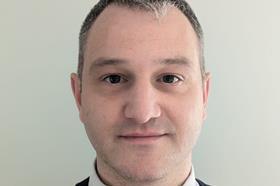
Ian Townend, deputy chief technology officer, NHSE
At a time when national leadership is in flux, figures like Mr Townend, who leads on system architecture, become more important. His team will take lots of consequential decisions about the layout of NHS digital systems.

Paul Volkaerts, CEO, Nervecentre
The CEO of the fastest-growing and most modern EPR, Mr Volkaerts’ company, is a British success story and now a real challenger to the US giants dominating the NHS market.

Kate Warriner, CIO, Alder Hey Children’s Foundation Trust
Ms Warriner’s trust has been ahead of the pack in working through ambient voice and other AI technologies on the frontline.
Regulator boss named top NHS tech leader

HSJ’s first top 50 list of tech influencers shows how diverse and diffuse power is in this sector.
- 1
 Currently
reading
Currently
reading
The 50 most influential people for NHS tech in 2026: The full list