
The health and social care secretary has claimed he is ‘protecting’ the NHS’s technology budget in the face of financial pressures.

Speaking to the NHS ConfedExpo conference in Manchester today, Steve Barclay also said he favoured the devolution of power to local NHS organisations, but only in return for greater transparency.

The health secretary said: “The reason I care about tech is simple. It improves outcomes and it helps you do your jobs.

“And let me say this, when [government] budgets are tight, tech is often the first thing to go. That is not my approach.

“I am protecting the tech budget and those key investments that will help us in the long term, from ensuring every NHS trust uses electronic patient records and invests more in electronic bed management systems, to the significant investment we’re making in our new data platform, to digitising the front line, from speeding up staff logins to start passports.”

Although Mr Barclay has made clear he considers technology a priority, NHS England has significantly cut national technology spending plans, citing cost pressures from unfunded pay rises and other areas.

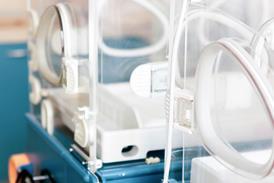
One techology aspiration cited by Mr Barclay was greater use of AI by the NHS. He said this could be used to address health inequalities, for example by identifying mothers who are at greater risk of birth complications. On AI generally, Mr Barclay warned against “going down the road we did with GM food where we lost quite a few years because of concern on the science”.   

Devolution and transparency

Mr Barclay was speaking the day after the government’s response to the Hewitt review was published. This rejected, deferred or ducked most of the review’s most eye-catching recommendations.

However, the health secretary insisted he supported Ms Hewitt’s emphasis on devolving decisions and reducing national targets.

Patricia Hewitt’s review said several system leaders had told her “it feels as if we have two centres now” because ministers were taking a day-to-day interest in local NHS operations, sometimes separately to NHSE. The review also noted that local leaders “are increasingly concerned about multiple requests for data and information, often extremely detailed and at very short notice”.

But Mr Barclay told the conference: “I believe strongly in devolving decision making. Equally I think it should sit alongside greater transparency. We need more devolved decision making because it enables a place-based approach, with decisions taken closer to patient need.

“But equally there are areas of great innovation, where we have a challenge in how we scale those up so it is widely adopted. This challenge is reflected in too wide a variation in performance between similar areas.

“For me the opportunity is to devolve much more and to trust local decision makers, and in return to expect more meaningful transparency.”

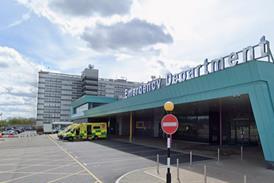
As an example, Mr Barclay cited how he has required NHSE to publish data for the first time on emergency department waits of 12 hours or more, from arrival to admission. 

As he trailed in an interview with HSJ, NHS Confederation chief executive Matthew Taylor pressed Mr Barclay on what prime minister Rishi Sunak specifically meant by his commitment that “waiting lists will fall”. Mr Taylor suggested it should refer to reducing the longest waiters for elective care – on which the NHS has made significant progress – rather than the total list, which the Confed chief said was not entirely within the NHS’s control. 

But Mr Barclay said: “It is very much [meaning] what is articulated in the elective recovery plan.” 

The February 2022 plan says that, if activity grows as planned, “we would expect the [referral to treatment] waiting list will be reducing by around March 2024”. 

It also targeted the elimination of waits of over 18 months by April this year, and said that the 62-day urgent cancer backlog would return to pre-pandemic levels by March this year. Although there have been big reductions, neither of these has been met.