

Close menu
- Home
- Ask HSJ
- Sectors
- Topics
- Local
- Comment
- Interactive
- Events
- Jobs
- All Products
- Subscribe











Spending pennies
2000-04-27T00:00:00
It looks like a financial report. It reads like a press release. The Government's NHS Expenditure Plans 2000-01 is an odd hybrid.
You need to be a subscriber to read more
Subscribe for unlimited access
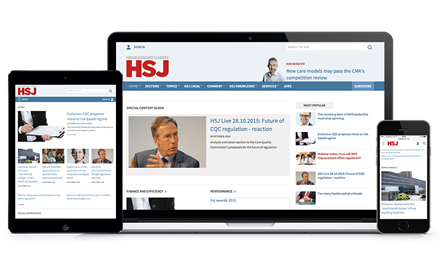
With a HSJ subscription you’ll unlock:
- All HSJ news by sector, topic & region
- Breaking News announcements
- App for mobile and offline reading
- Comment and Daily Insights newsletters
- Regional roundup newsletters
- Unrestricted access to ‘Ask HSJ’ - AI assistant - AI assistant
- 10 expert briefings every fortnight (Premium only)
Already a subscriber? Sign into your account here
Part of HSJ Information Ltd. The White Chapel Building, 1st Floor, 10 Whitechapel High Street, London, E1 8QS. Registered in England and Wales. Company registration 2530185
Site powered by Webvision Cloud