















All Patient safety articles – Page 246
-
 News
NewsAndy Burnham responds to infection control criticisms
Health secretary Andy Burnham has admitted the government could work harder in fighting hospital infections after a report accused the Department of Health of failing to monitor the situation adequately.
-
 News
NewsOut of hours provider loses contract following overdose case
The out-of-hours provider that hired German locum Dr Daniel Ubani - who accidentally killed a patient by administering a lethal overdose - is to have its NHS contract terminated.
-
 News
NewsEU law 'causing hospital deaths'
Poor clinical practice and an EU directive are causing unnecessary deaths in hospitals across the UK, a patient care report has warned.
-
 News
NewsTargeted cleaning 'cuts MRSA rates and saves money'
The Department of Health has been shown evidence that just one extra cleaner on a hospital ward can reduce MRSA infections and save tens of thousands of pounds.
-
 News
NewsIndependent Mid Staffs inquiry holds first session
Mid Staffordshire Foundation Trust has reiterated its apologies to patients and their families at the opening of an independent inquiry into a hospital described as having “shocking” standards of care.
-
 News
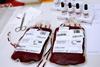
NewsGay blood donation ban under review
Gay and bisexual men may be allowed to give blood after a review of high-risk exclusions undertaken by the advisory committee on the safety of blood, tissues and organs.
-
 News
NewsCQC calls for better information sharing on patient medications
The Care Quality Commission has urged all hospitals and GP practices to ensure they are sharing “timely, complete” information on changes to patient medication.
-
HSJ Knowledge
Patient safety interventions
Avril Lowery explains how Gateshead Health Foundation Trust has taken the guiding principle of Patient Safety First, to make patient safety the trust’s number one priority, and applied it to their own environment, creating an internal campaign that works for them.
-
HSJ Knowledge
Care of deteriorating patients
Salford Royal Foundation Trust signed up to Patient Safety First in 2008 and is one of the trusts to implement the reducing harm from deterioration intervention.
-
HSJ Knowledge
Patient safety strategy
Sarah Woolley explains how Heart of England Foundation Trust has put the Patient Safety First campaign into action.
-
 News
NewsControversial hospital reconfiguration cuts death rates
A controversial hospital reconfiguration has cut death rates and the time patients are staying in hospital, early figures suggest.
-
 Comment
Pete Mason on lessons for the NHS from hazardous industries
The NHS and hazardous industries, such as aviation, often use the Swiss cheese model of accident causation, or the “cumulative act effect”.
-
 News
NewsSwine flu vaccination programme start date announced
High risk patients and frontline health workers in hospitals will begin being vaccinated against swine flu on 21 October, chief medical officer Sir Liam Donaldson has announced.
-
 News
NewsMonitor clashes with foundation chair over safety
Monitor has accused the outgoing chair of a troubled foundation trust of inaccuracy, after he claimed the regulator was neglecting patient safety in favour of cost cutting.
-
 News
NewsMixed success on mortality rate reductions
There has been mixed success in meeting targets to reduce mortality rates for specific causes, the latest data from the Department of Health shows.
-
 News
NewsWorking time directive costs lives - RCS study
Cuts in doctors’ working hours to meet EU rules could be costing lives, a study by the Royal College of Surgeons has claimed.
-
 News
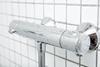
NewsHealth and Safety Executive slates trust's 'complacency' over water supply legionella
A hospital trust in Liverpool has been forced to pay £48,000 after unsafe levels of legionella bacteria were found in its bathing water supply.
-
 News
NewsPatient safety incidents up 12 per cent
The number of patients who have been involved in safety incidents while undergoing NHS treatment has risen by 12 per cent in six months.
-
 Comment
C difficile lessons: getting to the bottom of complex health problems
Are there lessons from the C difficile experience with wider health policy implications, ask Annalijn Conklin, Sharif Ismail and Tom Ling
-
 News
NewsMedication errors 'affect 70pc of care home residents'
Overworked care home staff, poor teamwork and lack of training mean seven in 10 elderly residents are subject to medication errors.